Loading...
Serving Colton, CA and surrounding areas. (909) 679-6859
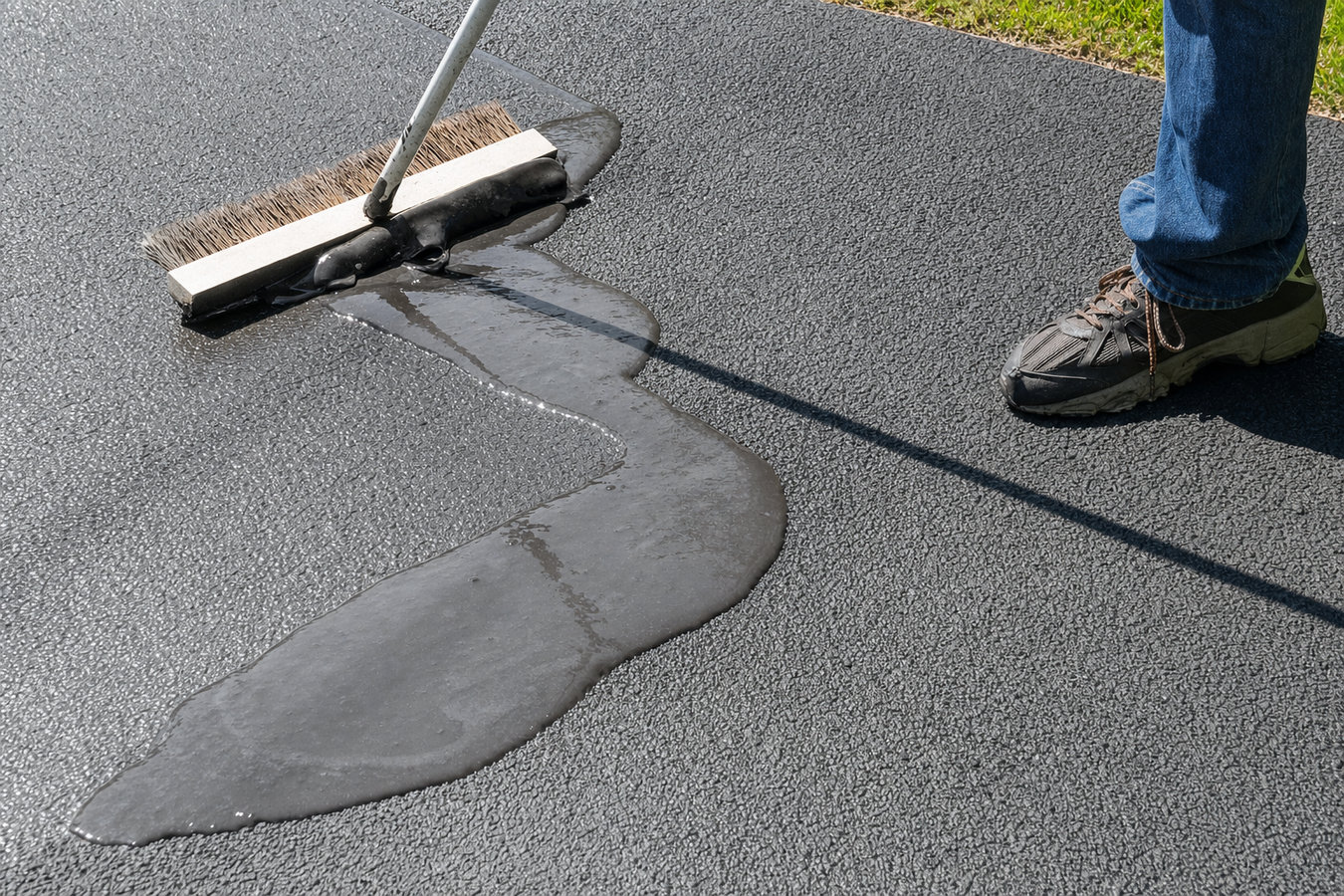
Your cracked, faded driveway or lot does not always need a full replacement. We lay a fresh bonded layer over the existing base - most residential jobs are done in a single day.
Asphalt resurfacing in Colton means laying a fresh layer of hot-mix asphalt over your existing surface - the old pavement stays in place while a new bonded layer restores smoothness and protection. Most residential driveways are completed in a single day, and you can typically drive on the finished surface within 24 to 48 hours.
Resurfacing makes sense when the base is still solid but the top layer has oxidized, cracked, or worn down from Colton's intense UV exposure and summer heat. It is a cost-effective middle ground between routine parking lot maintenance and a full tear-out replacement.
For surfaces with deeper structural failures, we also offer asphalt milling, which removes the top layer mechanically before new material is laid - useful when the existing surface is too uneven or damaged to resurface over directly.
When asphalt fades from deep black to a washed-out gray, the protective binders have broken down from sun and heat. In Colton's intense UV environment, this happens faster than in coastal cities. Once the binders are gone, the surface starts to crack and crumble - resurfacing replaces that worn-out layer before the damage reaches the base.
A pattern of small interconnected cracks - sometimes called alligator cracking - signals that the surface layer has lost its flexibility. In the Inland Empire's heat, oxidized asphalt becomes stiff and cracks under thermal expansion and contraction of hot days and cooler nights. If the cracks are surface-level and the base beneath feels solid, resurfacing is often the right fix.
Low spots that collect standing water show the surface has settled or worn unevenly. Standing water accelerates deterioration and works its way into cracks to weaken the base over time. Resurfacing done with proper grading restores the slope that moves water off the driveway the way it should.
If the driveway feels solid underfoot - no soft spots, no areas that flex when you press on them - but the top looks rough, pitted, or weathered, the base is still doing its job. That is exactly the scenario where resurfacing makes sense: you replace the worn surface without the cost and disruption of a full tear-out.
We begin every resurfacing job with a thorough surface inspection to confirm the base is sound and resurfacing is the right approach - not just the cheaper quote. Once confirmed, we clean the existing surface, repair any damaged edges or deep cracks, and apply a bonding tack coat so the new layer adheres tightly. The hot-mix asphalt is then laid at a consistent thickness and compacted with a roller while the material is still hot. In Colton, we specify a mix formulated to handle sustained high temperatures - the kind that would soften a standard mix on a peak summer day. If drainage corrections are needed to eliminate pooling areas, we address those during the same job. For surfaces that are too far gone for standard resurfacing, asphalt milling removes the old layer mechanically before new material is installed - a cleaner solution when the existing surface is badly uneven or delaminated.
We also help you plan for what comes after. New asphalt needs several months to fully cure before sealing, and we will remind you when that window arrives. Regular seal coating after resurfacing - on a two-to-four-year cycle in Colton's climate - is the single most effective way to extend the life of the new surface. Our parking lot maintenance team can handle that follow-up work when the time comes.
Best for homeowners with oxidized, cracked, or rough driveways where the base is still intact - restores curb appeal and protection in a single day.
Best for parking lots and commercial pads with surface-level wear - minimizes business disruption compared to full replacement while restoring a smooth, professional surface.
Best for surfaces with low spots or pooling water - combines a fresh layer with grading adjustments so water moves off the surface after every rain.
Best for surfaces too uneven or delaminated to resurface over directly - the old layer is removed before new asphalt is installed for a clean, stable result.
The Inland Empire is one of the most demanding environments for asphalt in California. Summer temperatures in Colton regularly exceed 100 degrees, and the combination of intense UV radiation and very low humidity breaks down asphalt binders faster than in coastal or northern California climates. Surfaces oxidize, fade, and become brittle more quickly here - which means the window between "needs maintenance" and "needs resurfacing" is shorter than most homeowners expect. On top of that, the expansive clay soils common across San Bernardino County shift with moisture changes, adding stress from below that can push cracks up through an already-oxidized surface. Knowing the difference between surface wear and base movement is something you learn from working in this specific area, not from a general paving handbook.
We resurface driveways and commercial surfaces across the Inland Empire, including properties in Redlands and Highland. Whether your surface faces heavy traffic or sits mostly in full sun, we assess the actual condition before recommending a scope of work - so you are not paying for a full tear-out when resurfacing will do the job.
We schedule a site visit - typically within one business day of your call. We walk the surface, check for soft spots or base movement, measure the area, and give you a written estimate that specifies the scope, the layer thickness, and the total price before anything is agreed.
The crew cleans the surface, repairs damaged edges or cracks, removes oil stains that would prevent bonding, and applies a tack coat. In Colton's heat, thorough prep is especially important - a clean, well-bonded surface holds up through summer temperature swings far better than one that was rushed.
Hot-mix asphalt is laid at a consistent thickness while still hot, then compacted with a roller. The crew works quickly because the material must be compacted before it cools. We use a high-temperature mix formulated for Inland Empire conditions so the surface stays stable when the heat peaks.
Edges are finished cleanly, the site is cleaned up, and we walk the finished surface with you. You get specific instructions on when to walk and drive on the new surface and when to schedule a follow-up seal coat - typically several months after the resurfacing is complete.
We respond within one business day and give you a written estimate before any work begins - no pressure, no surprises.
(909) 679-6859We specify asphalt mix formulated to stay stable under sustained heat - not a standard product that softens and ruts when Colton temperatures push past 100 degrees. The mix choice is one of the most important quality factors for a driveway in this climate, and we get it right.
We walk every surface before quoting and tell you honestly whether resurfacing will solve your problem or whether the base has failed enough to need replacement. We do not recommend the more expensive option unless the condition of the surface actually calls for it.
California requires paving contractors to hold a current state license. You can verify ours any time through the Contractors State License Board. A licensed contractor has something to lose if the work is done poorly - that accountability matters when someone is working on your property.
We follow National Asphalt Pavement Association practices for compaction density and edge finishing. The difference between a resurfacing job that lasts and one that starts peeling at the edges within a year comes down to how well the material was compacted and how cleanly the edges were finished.
Every resurfacing job we do comes with a clear written scope, a qualified crew, and a finished surface you can inspect before we leave. If you have questions before committing, call us - we are happy to walk through the options with no pressure.
For localized failures that do not yet require a full resurfacing, pothole repair patches the damaged area to stop the deterioration from spreading.
Learn MoreWhen the existing surface is too damaged or uneven to resurface over, milling removes the old layer before new asphalt is installed - creating a clean, level base.
Learn MoreMost residential jobs are done in a single day - call now to schedule your site visit and get a written estimate with no obligation.